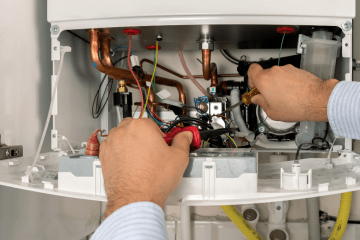
Are you considering installing a boiler and looking for a safe and space-saving option? Placing your boiler in the loft might be the perfect solution. In this article, we will explore the regulations, pros, and cons of installing a boiler in the loft, providing you with the information you need to make an informed decision.
Installing a boiler in the loft offers several advantages, such as freeing up valuable living space and keeping the boiler out of sight. However, it’s important to understand the potential challenges and requirements involved. By delving into the details, we aim to equip you with the knowledge to navigate this option confidently.
So, if you’re intrigued by the idea of a loft installation for your boiler, let’s dive into the regulations, benefits, and considerations that will help you make an informed choice.
Are all boilers suitable for a loft installation?
Before proceeding with a loft installation, it’s crucial to determine whether your current boiler is suitable for this type of setup. Not all boilers are compatible with loft installations, as some rely on gravity to feed water from tanks to the boiler, which becomes challenging if the tank and boiler are on the same level.
Regular boilers, for example, are unsuitable for loft installations due to their reliance on gravity. However, combi boilers are more suited for this purpose, as they are self-contained and do not require a separate tank. If you’re unsure about the compatibility of your boiler, it’s best to consult a professional boiler installer who can provide expert guidance.
To ensure a successful loft installation, it is advisable to seek advice from experienced boiler installers who can recommend suitable boilers for this type of setup. Don’t hesitate to request free boiler quotes to gather multiple options and make an informed decision.
Benefits of installing a boiler in the loft
Placing your boiler in the loft offers several advantages that make it an appealing option for many homeowners. Let’s explore the benefits of this installation:
1. Space-saving:
By installing the boiler in the loft, you can free up valuable living space inside your home. This means you’ll have more room for storage, additional living areas, or other purposes that enhance the functionality of your home.
2. Aesthetic appeal:
Having the boiler tucked away in the loft keeps it out of sight, preserving the overall decor and visual appeal of your living spaces. You can maintain a clean and clutter-free environment without compromising on style.
3. Noise reduction:
The location of the boiler in the loft helps to minimize the noise transmitted to the living areas. You can enjoy a quieter home environment without being disturbed by the operational sounds of the boiler.
4. Hidden pipework:
Concealing the pipework associated with the boiler in the loft eliminates the need for exposed pipes throughout your home. This not only enhances the visual appeal but also simplifies maintenance and reduces the risk of accidental damage.
5. Energy efficiency:
Opting for an energy-efficient boiler for your loft installation can lead to significant cost savings in the long run. These boilers are designed to maximize energy efficiency, reducing your carbon footprint and lowering utility bills.
By considering these benefits, you can see why placing a boiler in the loft has become a popular choice among homeowners. It offers practical advantages while maintaining a visually pleasing and efficient home environment.
Disadvantages of installing a boiler in the loft
While there are numerous benefits to installing a boiler in the loft, it’s important to also consider the potential drawbacks associated with this type of installation. Here are some disadvantages to keep in mind:
1. Limited access:
Accessing the boiler in the loft may pose challenges, especially for maintenance and repairs. The need to climb into the loft and navigate through potentially confined spaces can make servicing the boiler more time-consuming and less convenient.
2. Reduced storage space:
Installing a boiler in the loft means dedicating a portion of your loft space to accommodate the boiler and its associated equipment. This can result in a reduction of available storage space, which may be a concern if you rely on the loft for storing items.
3. Leak risks:
In the unfortunate event of a boiler leak, the water will naturally flow downwards. If your boiler is located in the loft, this could potentially lead to water damage to ceilings, floors, or any belongings stored in the loft space. Regular maintenance and monitoring for leaks are essential to mitigate this risk.
4. Additional work required:
Converting the loft into a suitable space for a boiler installation may require additional work. This can include reinforcing the loft floor, installing proper lighting for maintenance purposes, and providing a safe and convenient access point such as a retractable ladder or permanent staircase.
5. Temperature concerns:
The loft is susceptible to extreme temperature changes, both hot and cold. In winter, there is a risk of frost damage to the boiler and pipes if not adequately insulated. In summer, the loft space may become excessively hot, requiring proper ventilation and cooling measures to maintain optimal performance.
6. Water pressure:
Due to the loft’s elevated position, the distance between the boiler and water outlets in the house may impact water pressure. It’s important to ensure that adequate water pressure is maintained throughout the property, especially for optimal functionality of showers and taps.
Considering these potential disadvantages allows you to make an informed decision about whether a loft installation is the right choice for your specific circumstances. It’s crucial to weigh the pros and cons to determine the suitability and feasibility of installing a boiler in your loft.
Requirements for installing a boiler in the loft
When considering a loft installation for your boiler, there are specific requirements that need to be met to ensure a safe and compliant setup. Here are the key requirements outlined by official guidance:
1. Structurally safe wall:
The wall on which the boiler will be mounted must be structurally sound and capable of supporting the weight and vibrations of the boiler. This ensures a secure and stable installation.
2. Suitable flooring:
The loft floor should be able to support the weight of the boiler and any additional equipment. It’s important to ensure that the flooring is appropriate for the load-bearing requirements of the installation.
3. Adequate lighting:
Proper lighting in the loft is essential for safe operation and maintenance of the boiler. Sufficient illumination allows for clear visibility during inspections and servicing.
4. Accessible loft:
The loft space should be easily accessible, typically through a retractable ladder or a permanent staircase. Safety measures such as a guard rail should be in place to ensure secure access to the loft area.
5. Isolation points:
To comply with safety regulations, there must be isolation points for the gas, water, and electricity outside of the loft. These isolation points allow for the shut-off of respective supplies without the need to access the loft space.
6. Carbon monoxide alarm:
It is highly recommended to fit a carbon monoxide alarm in the loft to provide early detection of potential gas leaks, ensuring the safety of occupants in the home.
By adhering to these requirements, you can ensure that your loft installation meets the necessary standards for a safe and compliant boiler setup. It’s crucial to consult with a professional boiler installer who is knowledgeable about these regulations and can guide you through the installation process.
Alternative rooms for boiler installation
If installing a boiler in the loft is not feasible or if you have reservations about this option, there are alternative rooms in your home where a boiler can be fitted. Consider the following possibilities:
1. Garage:
Installing the boiler in the garage can be a suitable alternative. It keeps the boiler out of sight and frees up living space inside the home. However, it’s important to consider the temperature in the garage, especially if it lacks insulation. Additionally, visibility of pipes and the impact on storage space should be taken into account.
2. Bathroom:
Another option is to install the boiler in the bathroom. Bathrooms often provide easy access to waste pipes, making it convenient for installation. However, there are additional regulations to consider due to increased moisture levels. It’s essential to ensure proper ventilation and compliance with safety standards.
3. Bedroom:
Placing a boiler in the bedroom is an alternative that frees up living space inside the home. However, it’s important to consider the available space in the bedroom and the potential impact of noise from the boiler. Safety precautions should be taken, and noise levels should be evaluated to ensure a comfortable living environment.
4. Kitchen:
The kitchen can also be a viable location for the boiler. It provides easy access and the possibility of hiding the boiler in a cupboard. However, it’s crucial to evaluate the available storage space and the proximity of the boiler to food preparation areas to ensure convenience and safety.
5. Airing cupboard:
If you have an airing cupboard, it can serve as a suitable location for the boiler. However, keep in mind that this will occupy space that was previously utilized for storing towels and bedding. Consider the impact on storage options and ensure proper ventilation and safety measures are in place.
When exploring alternative rooms for boiler installation, it’s essential to assess the suitability of each space based on factors such as access, space availability, noise considerations, and safety requirements. Consult with a professional boiler installer to evaluate the feasibility and practicality of these alternatives based on your specific needs.
Conclusion
In conclusion, placing a boiler in the loft offers several benefits, including space-saving, aesthetic appeal, noise reduction, and hidden pipework. However, it’s important to consider the potential drawbacks, such as limited access, reduced storage space, leak risks, additional work requirements, temperature concerns, and potential water pressure issues.
Before proceeding with a loft installation, ensure that your current boiler is suitable for this type of setup. Consult with professional boiler installers who can provide expert guidance and recommend suitable options based on your specific needs. Requesting multiple quotes will help you compare and make an informed decision.
Additionally, it is essential to meet the requirements for a loft installation, including a structurally safe wall, suitable flooring, adequate lighting, accessible loft space, isolation points, and a carbon monoxide alarm for safety.
If a loft installation is not feasible or if you have reservations, consider alternative rooms such as the garage, bathroom, bedroom, kitchen, or airing cupboard. Each alternative comes with its own considerations, so evaluate them based on space availability, convenience, and safety.
By carefully weighing the pros and cons, following regulations, and seeking professional advice, you can make a confident decision about whether to install your boiler in the loft or explore alternative options. Remember, a successful boiler installation will provide you with long-term comfort, efficiency, and peace of mind in your home.